Pistachio
View Products
Frozen Drieds
View Products
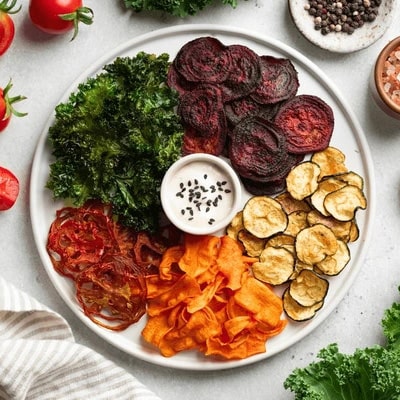
Dried Vegetables
View Products
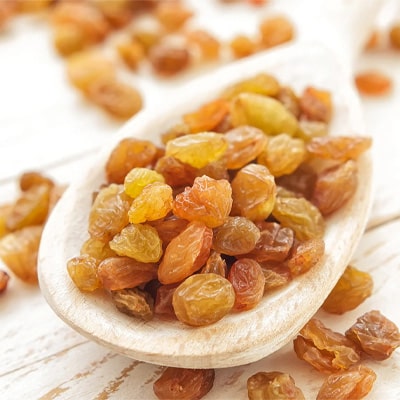
Raisin
View Products
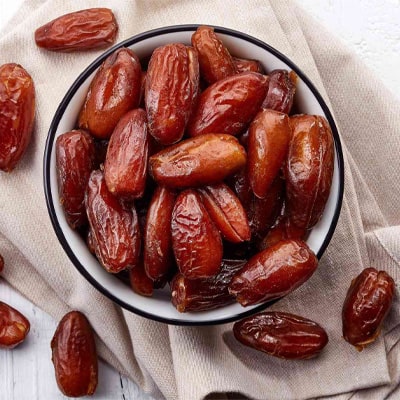
Dates
View Products
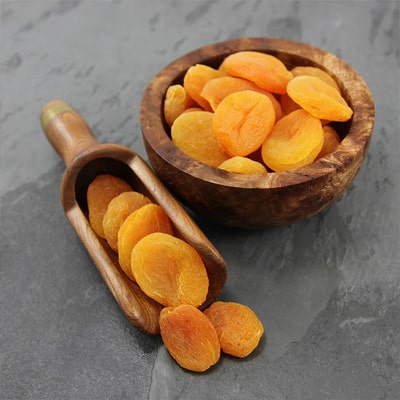
Dried Apricot
View Products
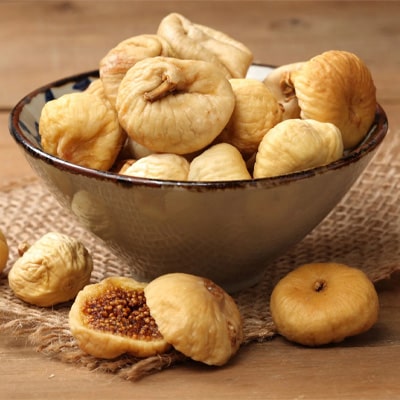
Figs
View Products

Saffron
View Products
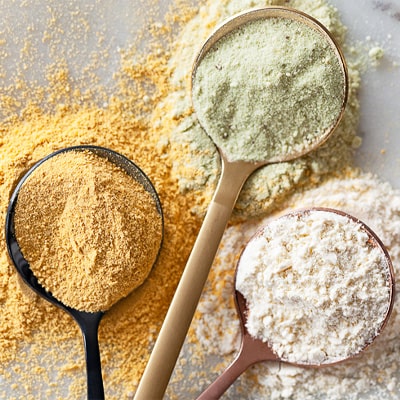
Powders
View Products
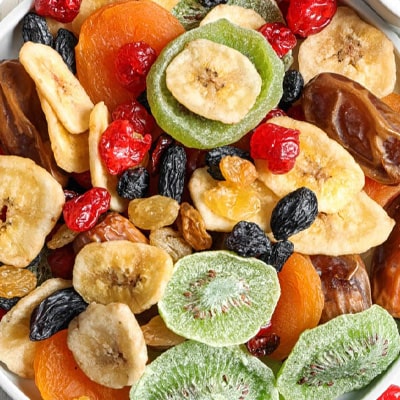
Dried Fruits
View Products
View Products
View Products
View Products
View Products
View Products
View Products
View Products
View Products
View Products
View Products

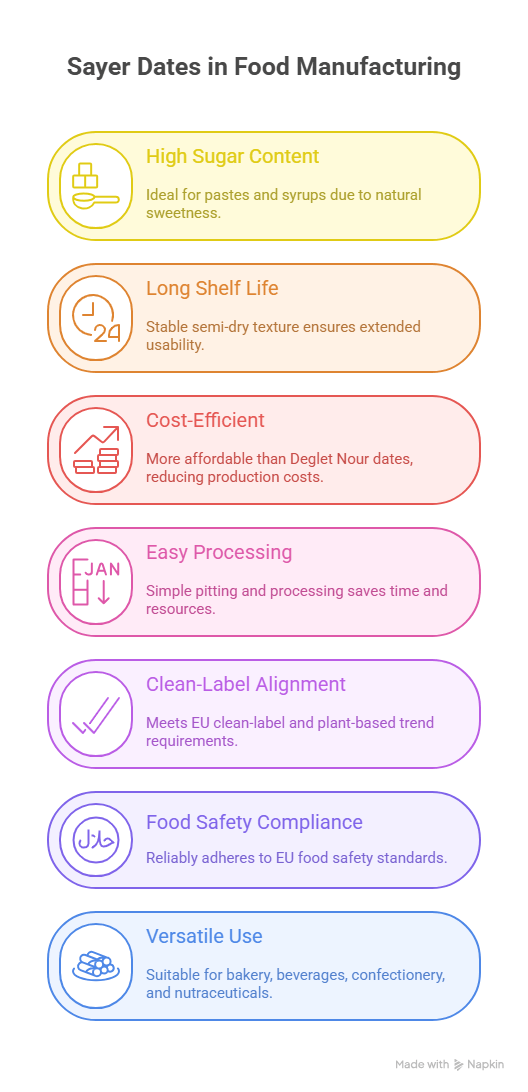
High natural sugar content ideal for paste and syrups
Long shelf life and stable semi-dry texture
Cost-efficient compared to Deglet Nour
Easy pitting and processing
Strong alignment with EU clean-label and plant-based trends
Reliable compliance with EU food safety standards
Versatile use in bakery, beverages, confectionery, and nutraceuticals
In an era when European food manufacturers are shifting toward natural, sustainable sweeteners, Sayer dates are gaining remarkable traction.
Known also as Stamaran, Sair, or Samaran, these semi-dry dates from Iran offer a reliable sugar profile, long shelf life, and cost-efficient processing advantages. For industrial buyers and importers, they present a practical balance between quality, price, and compliance with EU regulations.
The takeaway is clear: Sayer dates are not just another dried fruit—they are an adaptable raw material driving innovation across Europe’s food sectors.
Europe imports over 350,000 metric tons of dates annually, according to FAO and ITC data. France, Germany, the UK, and the Netherlands dominate imports, driven by the growth of bakery, confectionery, and natural snack industries.
Post-pandemic demand for plant-based and refined-sugar-free ingredients has boosted interest in date paste and syrup, positioning Sayer dates as a competitive alternative to Deglet Nour in industrial supply chains. Seasonal peaks occur around Ramadan and Christmas, creating cyclical procurement opportunities.
European manufacturers utilize Sayer dates across multiple sectors due to their balanced sweetness and semi-dry texture.
Sayer date paste is a favored ingredient in cookies, energy bars, and breads. Its homogenous consistency allows smooth mixing without artificial stabilizers.
With a high fructose–glucose ratio, Sayer syrup offers clean sweetness and stability under heat, making it suitable for beverages and sauces.
The semi-dry flesh supports easy pitting and grinding, giving confectioners a cost-effective filling base for chocolates and spreads.
Sayer extracts appear in vegan drinks, probiotic beverages, and nutraceutical formulations that rely on natural sugar sources.
Date seeds and pulp residues are used for animal feed, activated carbon, and bioenergy generation, aligning with Europe’s circular economy goals.
OUR PRODUCTS: Zahedi Dates
Industrial buyers prioritize parameters such as moisture (≤16%), uniform color, and low foreign matter. Common grades—FAQ, GAQ, Select, and Super Select—determine suitability for different applications. For example, FAQ grades serve syrup manufacturing, while Super Select grades suit paste and confectionery use.
Proper pitting, low microbial load, and compliance with EU food safety standards (Regulation 852/2004 and EFSA limits) are essential. Shelf life typically extends to 18 months under ambient storage if packed in moisture-proof bulk cartons or MAP containers.
READ ABOUT Leading Export Markets for Iranian Dates
Importers must meet EU traceability and labeling rules, including country of origin and batch identification. Certifications such as HACCP, ISO 22000, organic, and halal strengthen supplier credibility.
Tariff codes under HS 0804.10 apply, and customs clearance requires a phytosanitary certificate. Adhering to these standards ensures smooth entry into the European industrial food chain.
READ MOE: Current Mazafati Dates Export Prices in Iran
For exporters, success depends on consistent quality and competitive pricing. Packaging optimization—such as vacuum sealing or MAP—reduces spoilage and freight weight. Partnering with EU distributors or co-packers can improve market reach.
Emerging technologies like AI-driven sorting (SmartDate systems) enhance grading accuracy and traceability, positioning Sayer processors ahead of competitors.
With Europe’s demand for natural ingredients expected to rise 8% annually through 2028, the outlook for Sayer dates remains robust.

They are primarily used in date paste, syrup, confectionery fillings, bakery products, and natural sweeteners for beverages.
France, Germany, the Netherlands, and the UK lead imports, with growing demand from Spain and Eastern Europe for industrial processing.
When kept below 20°C in dry, ventilated conditions, Sayer dates can maintain quality for up to 18 months, preserving flavor and microbial safety.