Pistachio
View Products
Frozen Drieds
View Products
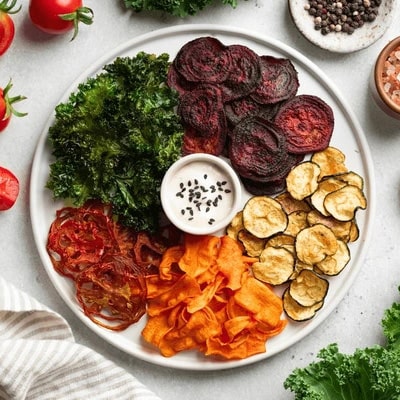
Dried Vegetables
View Products
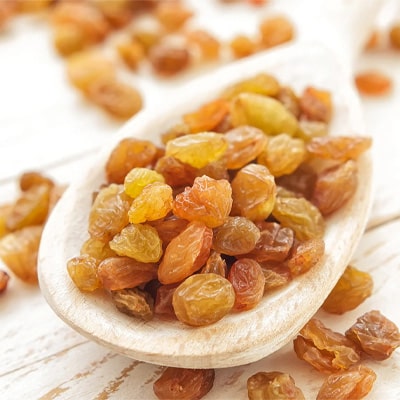
Raisin
View Products
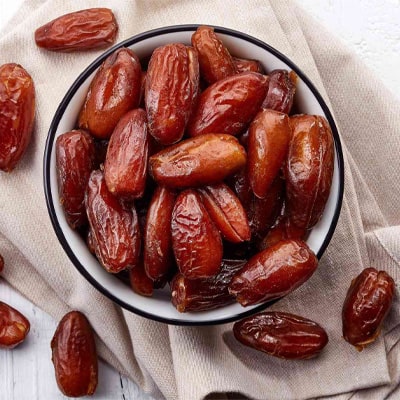
Dates
View Products
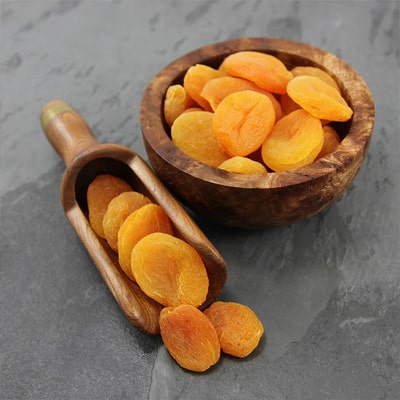
Dried Apricot
View Products
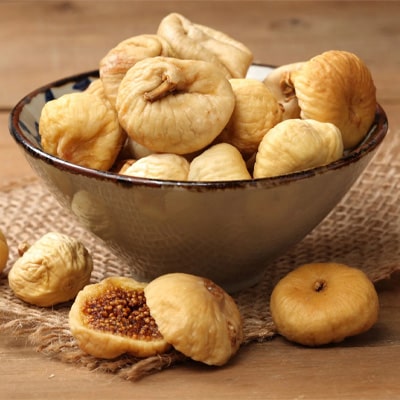
Figs
View Products

Saffron
View Products
Powders
View Products
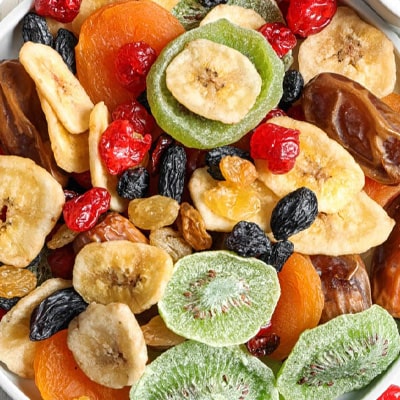
Dried Fruits
View Products
View Products
View Products
View Products
View Products
View Products
View Products
View Products
View Products
View Products
View Products

What if the sweetness of a single fruit could tell the story of an entire region’s craftsmanship and climate? Iranian dates, often called the “jewels of the desert,” are among the most valuable fruits exported from the Middle East. Their diversity—showcased across hundreds of varieties listed in premium collections like the Iranian dates—reflects centuries of expertise and climate-driven adaptation.
Yet not all dates are equal. Some varieties, such as Piarom and Mazafati, command remarkably high prices due to their rarity, exceptional flavor, and demanding cultivation process. This article explores the top-priced Iranian dates and reveals what makes them so prized across global markets, especially in regions highlighted in analyses such as the leading export markets for Iranian dates.
The Premium Leaders Among Iranian Dates
Among Iran’s 400 date varieties, a select few stand above the rest in both flavor and price—particularly those that dominate the premium export segment featured in specialized categories like Mazafati (Kimia) dates.
Grown in the mountainous Hajiabad region of Hormozgan, Piarom dates (also known as Maryami) are often considered Iran’s most luxurious export.
Their semi-dry texture, dark brown color, and rich caramel flavor appeal to both gourmet consumers and international traders.
Piarom dates can sell for more than 8–10 USD per kilogram in export markets, depending on grade and season—pricing dynamics similar to the market shifts seen in fresh varieties such as Mazafati/Kimia export prices.
Originating from Bam in Kerman Province, Mazafati dates (also called Kimia dates) are prized for their soft, moist flesh and deep sweetness.
These dates are harvested at the “rotab” stage, ensuring a perfect balance of moisture and sugar. Their delicate nature requires cold-chain logistics, which increases production costs but preserves their premium quality—one reason Mazafati remains a dominant category alongside rising varieties like Rabbi dates.
Kabkab from Bushehr and Rabbi from Sistan-Baluchestan are gaining recognition in Europe and Asia for their size, syrupy taste, and longevity.
While not as expensive as Piarom, they still fetch higher prices due to quality sorting and international demand. Rabbi dates, for example, are now strategically priced for major markets such as India and Pakistan following structured export approaches like the Rabbi Dates Pricing Strategy for India & Pakistan.
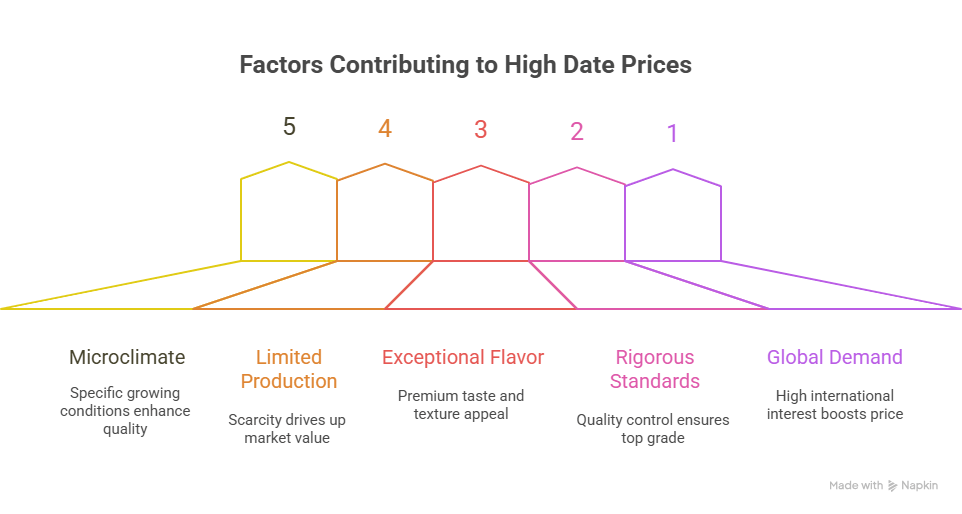
Several interconnected factors explain why these Iranian dates achieve such high prices in global markets.
The best date-producing regions in Iran benefit from specific temperature fluctuations, soil composition, and humidity. Piarom, for instance, thrives only in a narrow altitude range around Hajiabad. Limited growing areas mean limited supply, naturally elevating their price.
Premium dates are often hand-picked, sorted, and graded according to strict standards. Each date is inspected for size, skin integrity, and moisture level. The careful post-harvest drying and packaging processes maintain freshness, which adds to production costs but ensures quality.
Iran exports more than one million tons of dates annually, yet only a small percentage meet “premium” export-grade criteria. Certifications for organic farming, traceability, and compliance with phytosanitary standards make these dates highly sought after by importers and luxury retailers.
Centuries of cultivation have established Iranian dates as symbols of quality. This heritage, combined with storytelling in branding, adds perceived value that consumers are willing to pay more for.
As global consumers lean toward natural and energy-rich snacks, the demand for high-quality dates continues to grow. Importers seeking reliable supply chains look to Iran for both variety and volume. However, maintaining quality consistency, meeting international certifications, and investing in sustainable farming will define the competitiveness of Iranian exporters in the coming decade.
Premium Iranian dates represent the perfect blend of nature, tradition, and meticulous craftsmanship. Their value lies not only in taste but also in the expertise and effort invested in every step of production. For importers, investing in high-grade Iranian dates means accessing one of the world’s most distinguished agricultural treasures—both a profitable and culturally rich choice.

Piarom dates from Hormozgan Province are the most expensive due to their semi-dry texture, limited production, and premium export demand.
Iranian dates often undergo more selective grading and cultivation in unique microclimates, resulting in superior taste and texture compared to mass-produced varieties.
High-end dates like Mazafati require cold storage between -5°C and 5°C, while semi-dry varieties like Piarom can be stored at room temperature, provided humidity is controlled.