
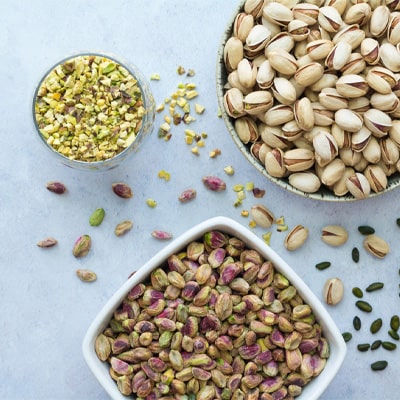
Pistachio
View Products
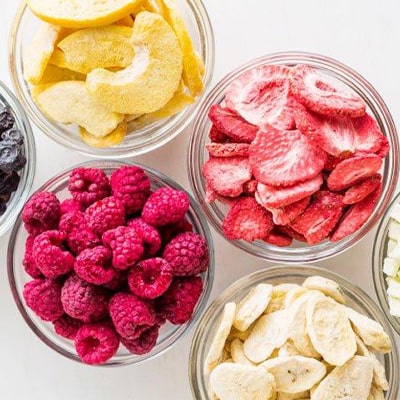
Frozen Drieds
View Products
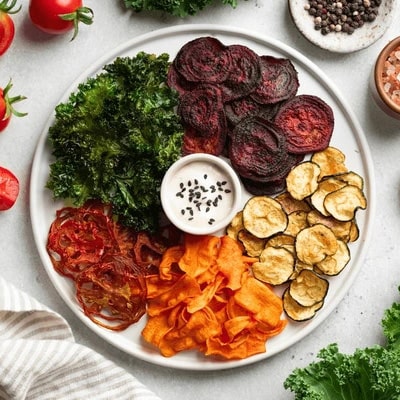
Dried Vegetables
View Products
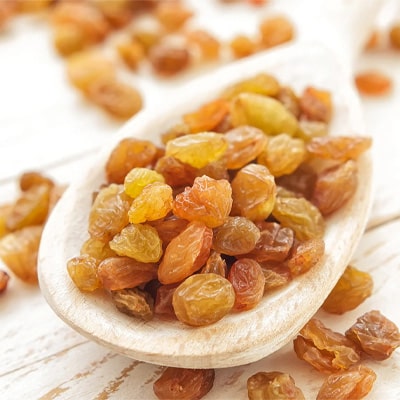
Raisin
View Products
Dates
View Products
Dried Apricot
View Products
Figs
View Products

Saffron
View Products
Powders
View Products
Dried Fruits
View Products
View Products
View Products
View Products
View Products
View Products
View Products
View Products
View Products
View Products
View Products
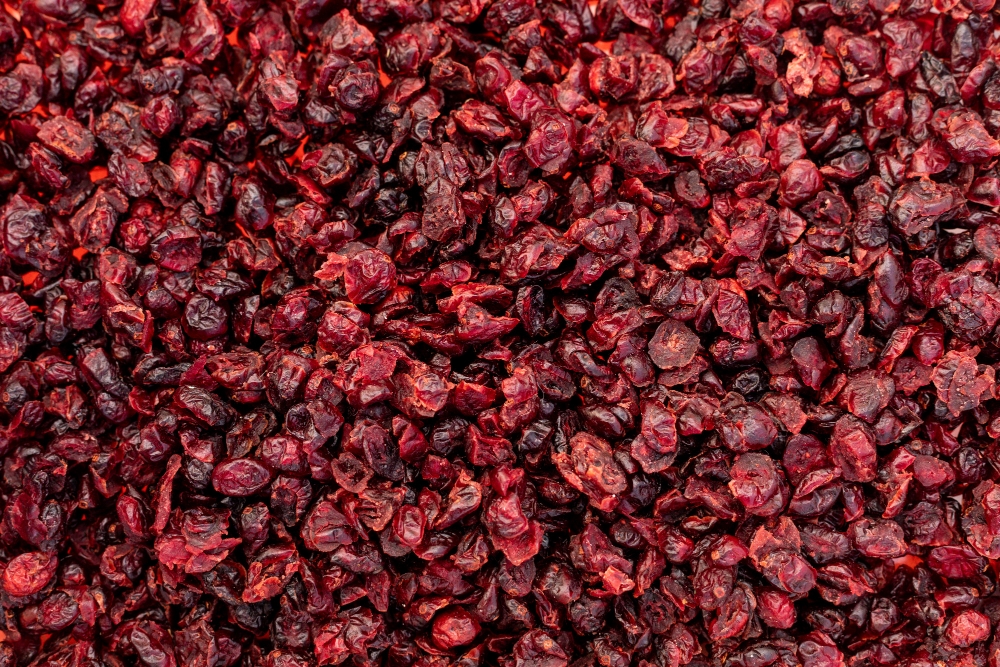
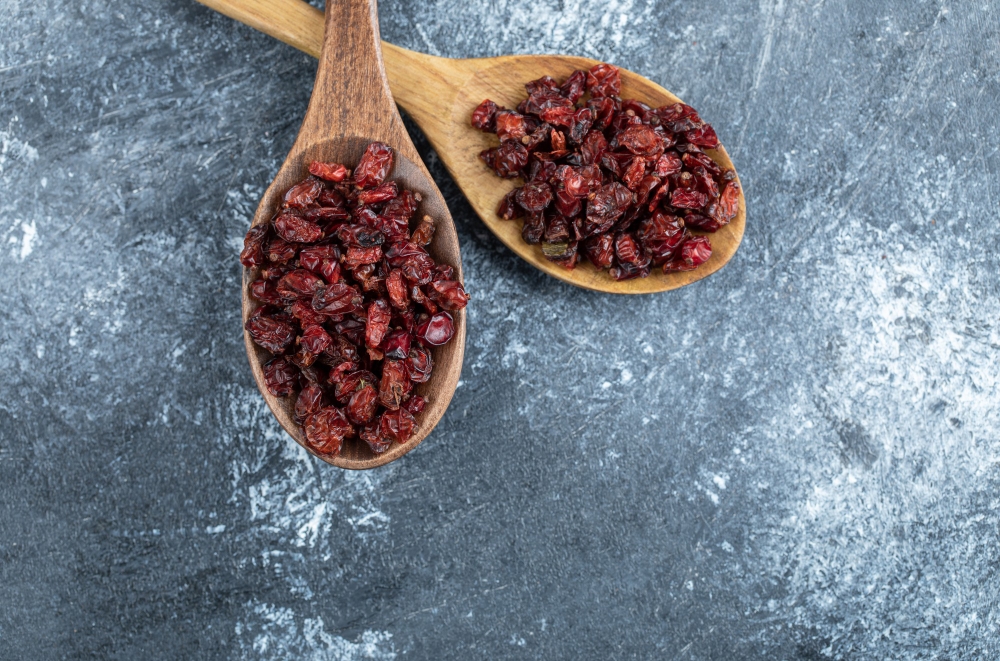
Global demand for Iranian dried cherries has grown steadily as consumers and manufacturers seek natural ingredients rich in flavor and antioxidants. Yet, prices fluctuate widely between markets due to climate patterns, processing costs, and trade dynamics.
For a closer look at dried fruit pricing trends globally, you can explore the global price of dried fruits.
Understanding how prices differ between global suppliers and Iran helps importers and exporters make informed decisions, reduce risk, and capture better profit margins.
The global dried-cherry market in 2025 remains strong, supported by rising consumption in bakery, confectionery, and health-snack industries.
Average wholesale prices in key producing countries range between USD 6.5–11 per kg, depending on origin and quality. The United States and Turkey dominate exports, with Poland, Uzbekistan, and Iran gaining ground as cost-competitive suppliers.
To explore more about these opportunities, visit Opportunities in Exporting Iranian Dried Cherry to Europe.
Seasonal yield variations and labor costs play a major role in shaping prices.
For example, reduced harvests in Europe often push prices up in the final quarter of the year. In contrast, efficient drying technology and local labor advantages in Asia keep costs moderate.
Iran’s dried-fruit sector has expanded rapidly, with cherries produced mainly in provinces such as Khorasan, East Azerbaijan, and Alborz.
The average export price of Iranian dried cherries currently stands around USD 5–7 per kg FOB, depending on grade, moisture level, and packaging.
For a deeper look into our product offerings, visit our dried fruits collection.
Favorable climatic conditions and lower processing expenses allow Iranian exporters to offer competitive rates without sacrificing quality.
Currency fluctuations, however, can influence domestic and export pricing. As the rial depreciates, exporters gain price advantages abroad while local buyers experience cost pressure.
Annual yield variations caused by drought or frost directly affect raw-fruit supply and, consequently, dried-cherry pricing.
Modern tunnel dryers improve efficiency and consistency, lowering costs per kilogram. Countries using outdated equipment face higher wastage and higher prices.
Shipping expenses, packaging requirements, and customs fees create differences between domestic and export market prices.
Cherries with HACCP, ISO 22000, or organic certification typically command premium prices, especially in European and Middle Eastern markets.
You can also take a look at our Iranian dried apple for more product insights.
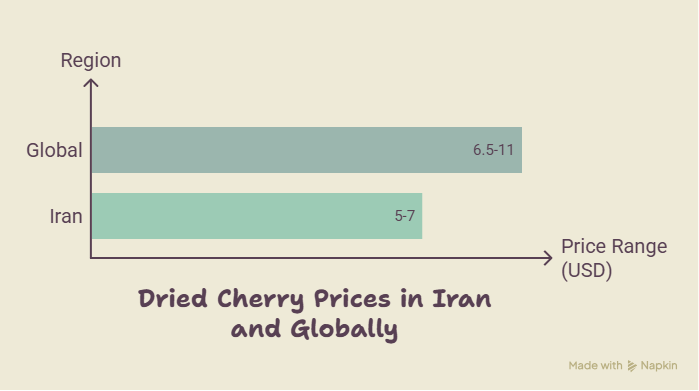
RegionAverage Price (USD/kg)Typical Quality GradeUnited States9–11Premium, low moistureTurkey7–9Mid to high qualityPoland8–10High grade, uniform colorIran5–7High grade, competitive export quality
This comparison highlights Iran’s potential as a cost-effective sourcing destination for importers seeking reliable volume and quality balance.
For more detailed pricing information, check out the estimated price of dried apples in Iran
With healthy-snack demand on the rise and consumers shifting toward natural ingredients, global dried-cherry trade is projected to grow by nearly 5 percent annually through 2028.
Iran’s continued investment in modern drying facilities and quality control could strengthen its position among top exporters.
Between 6.5 and 11 USD, varying by country, quality, and packaging.
Roughly 5 to 7 USD per kg FOB, depending on quality grade.
Harvest volume, energy and labor costs, packaging quality, and international logistics.



How stable is the supply volume during poor harvest seasons in Iran?
Supply can fluctuate during drought or frost seasons, but larger exporters often secure inventory through contract farming.