
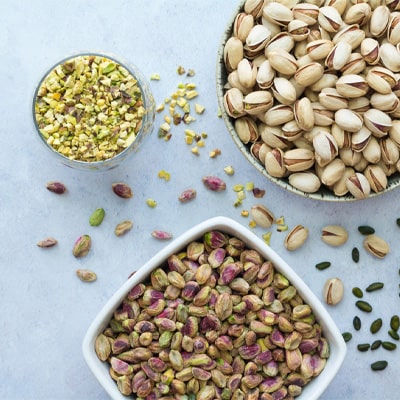
Pistachio
View Products

Frozen Drieds
View Products

Dried Vegetables
View Products
Raisin
View Products
Dates
View Products

Dried Apricot
View Products
Figs
View Products

Saffron
View Products

Powders
View Products
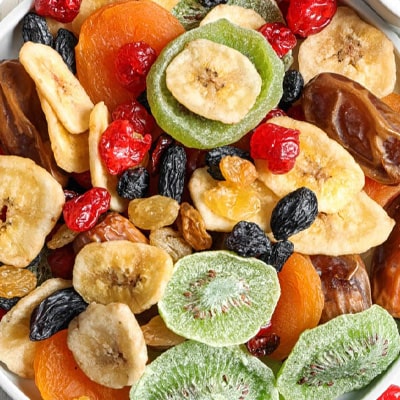
Dried Fruits
View Products
View Products
View Products
View Products
View Products
View Products
View Products
View Products
View Products
View Products
View Products


Challenges of Exporting Iranian Pistachios to Europe
Exporting Iranian pistachios to Europe presents a mix of opportunities and hurdles. Businesses involved in the pistachio trade must navigate strict EU regulations, maintain high-quality standards, and contend with geopolitical and economic challenges.
Understanding these obstacles equips exporters to make informed decisions and protect their market share, especially when evaluating the best export markets for Iranian pistachios and matching product types with regional demand.
Regulatory Barriers Limiting Market Access
Strict EU aflatoxin limits applied to imported pistachios
Enhanced border inspections for high-risk origins
Frequent updates to EU food safety regulations
Mandatory laboratory testing and documentation
Shipment rejection and recall risks due to non-compliance
Financial losses caused by rejected or delayed consignments
Longer market entry timelines for new exporters
One of the most significant challenges is compliance with EU food safety laws, particularly aflatoxin standard levels for pistachio exports to Europe, which are among the strictest in the world.
Non-compliance can result in shipment rejections, financial losses, and reputational damage, making regulatory awareness as critical as choosing the right logistics routes for exporting Iranian nuts to Europe.
Quality Control as a Key Challenge
Iranian pistachios are globally recognized for their flavor and diversity, including premium varieties such as Ahmad Aghaei pistachio, yet quality inconsistencies remain a concern in the European market.
Maintaining consistent quality requires strict control over harvesting, processing, and storage—principles also emphasized in the complete export guide for Ahmad Aghaei pistachios to the Middle East and North Africa (MENA), which outlines best practices transferable to Europe.
Geopolitical Factors Affecting Trade Flow
Sanctions and political tensions continue to affect trade logistics, banking, and insurance services, increasing uncertainty for exporters targeting European pistachio markets.
To reduce exposure to these risks, exporters must diversify logistics partners and routes while aligning operational decisions with broader pistachio export strategies.
Competitive Pressures from Other Producers
Strong U.S. presence with large-scale production, stable supply, and advanced branding
Turkey’s geographic proximity to Europe, reducing logistics time and costs
Well-established distribution networks among competing exporters
Higher marketing budgets from non-Iranian producers
Consistent quality perception among European buyers
Price competition driven by economies of scale
Better alignment with EU regulations by some competitors
Superior taste and variety differentiation
Reliable quality control and compliance
Market-specific pricing and packaging strategies
Fluctuations in currency exchange rates and domestic inflation in Iran impact pricing and profit margins.
Exporters must balance cost-effectiveness with compliance and quality standards. Strategic planning, forward contracts, and hedging mechanisms can help manage financial risks and maintain sustainable export operations.
Exporting Iranian pistachios to Europe requires a multi-faceted strategy addressing regulations, quality, geopolitics, competition, and economic realities. Exporters who understand these challenges and adapt proactively are more likely to secure consistent access to European markets and sustain long-term growth.
Regulatory compliance, especially with aflatoxin limits, quality control issues, geopolitical constraints, and competition from other producing countries are the main obstacles.
High aflatoxin levels can lead to shipment rejections and market access restrictions. Exporters must ensure strict testing and preventive measures to meet EU standards.
The United States and Turkey are significant competitors, offering established supply chains and competitive pricing that challenge Iranian exports.





We are considering importing Iranian pistachios to France. How do you ensure compliance with EU aflatoxin limits in your shipments?
We implement strict pre-export laboratory testing and work only with certified processors to ensure full compliance with EU aflatoxin regulations before shipment.