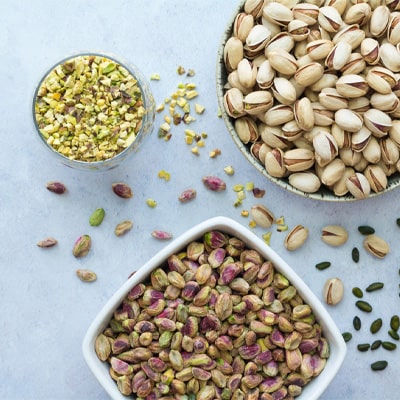
Pistachio
View Products
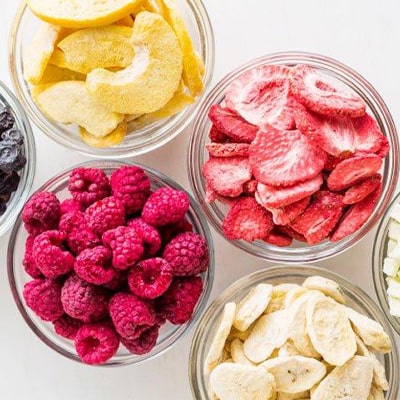
Frozen Drieds
View Products
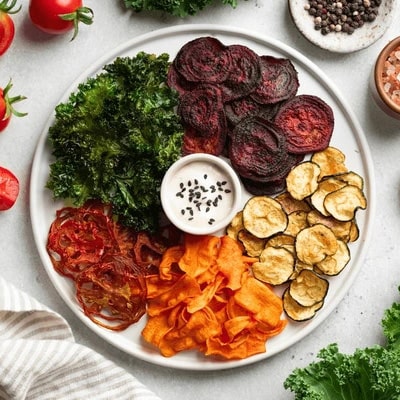
Dried Vegetables
View Products
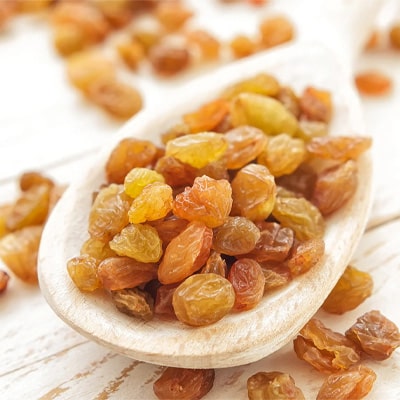
Raisin
View Products
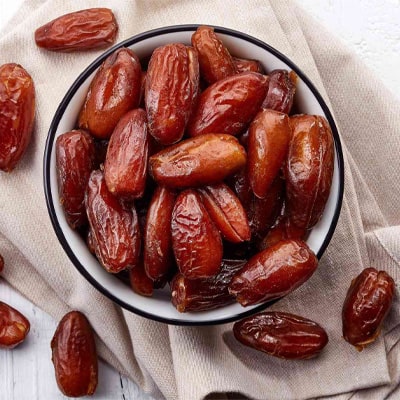
Dates
View Products
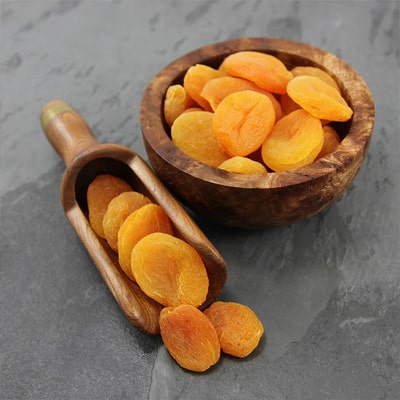
Dried Apricot
View Products
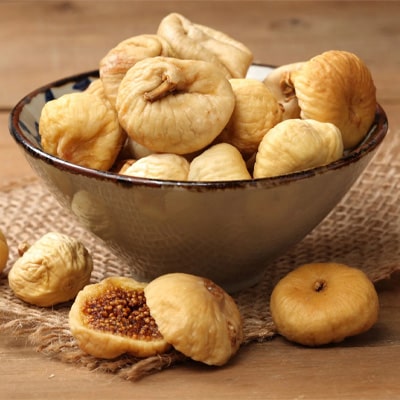
Figs
View Products

Saffron
View Products

Powders
View Products
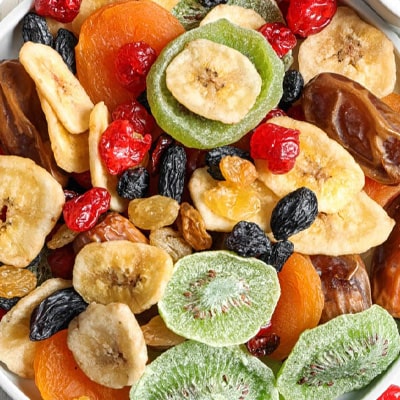
Dried Fruits
View Products
View Products
View Products
View Products
View Products
View Products
View Products
View Products
View Products
View Products
View Products

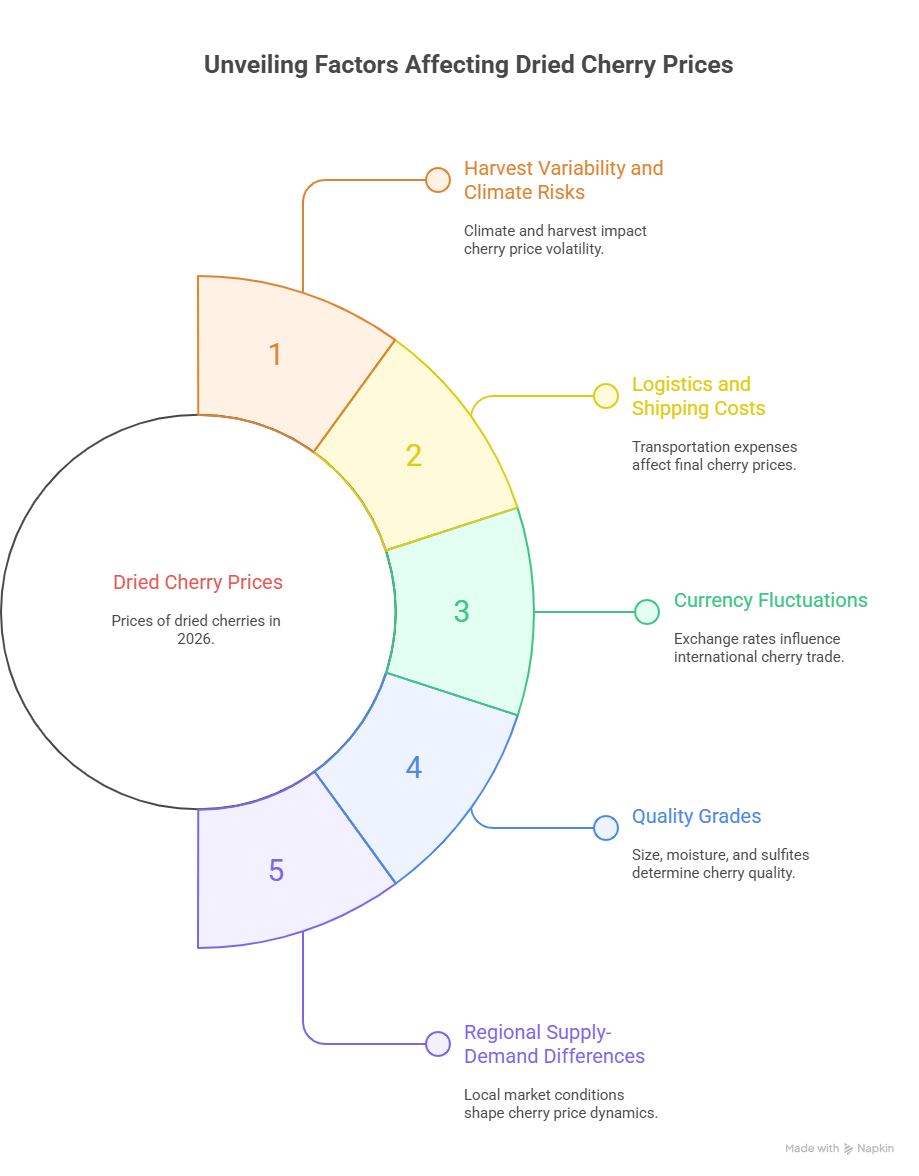
Prices are influenced by:
Harvest variability and climate risks
Logistics and shipping costs
Currency fluctuations
Quality grades (size, moisture, sulfites)
Regional supply-demand differences
The global dried cherry market in 2026 presents a paradox worth attention. Demand is expanding across food manufacturing and health-driven consumption, yet prices remain sensitive to supply constraints and trade dynamics.
For bulk buyers and import exporters, understanding how demand growth intersects with price variation offers a clear competitive edge. This article explains where demand is rising, why prices differ by region, and how buyers can position themselves more strategically.
You can also review our Global price of dried fruits to compare costs.
Global demand for dried cherries continues to grow as food manufacturers increase usage in bakery, snack bars, cereals, and functional foods. Health positioning plays a central role. Dried cherries are associated with antioxidant content, clean-label appeal, and natural sweetness.
For example, Iranian Dried Apple is another popular Dried Fruit showing similar health-driven demand.
Demand growth is not uniform. Asia-Pacific and the Middle East show faster import growth than mature Western markets, driven by expanding food processing capacity rather than retail snacking alone. Industrial buyers now account for a significant share of global consumption. This shift stabilizes long-term demand but also concentrates purchasing power among fewer, larger buyers. As a result, pricing negotiations increasingly depend on volume commitments and contract timing rather than spot purchases.
For insights on Iranian dried apples, see Estimated price of dried apples in Iran.
Production remains concentrated in a small number of exporting countries with suitable climates and established processing infrastructure. Tart cherries dominate industrial drying due to their flavor intensity and color stability. Harvest yields fluctuate year to year because of frost risk, water availability, and labor costs.
Climate volatility remains the single most unpredictable variable for 2026 supply forecasts. Learn more about processing methods in Iranian Dried Apple Production Process.
Export-oriented producers prioritize long-term contracts, which reduces open-market availability during short harvest cycles. What if a strong demand year overlaps with a weaker harvest? That scenario explains much of the price volatility seen in recent seasons.
Price variations in 2026 reflect more than farm-level costs. Logistics expenses, energy prices, currency movements, and regional trade policies shape final bulk pricing. Buyers in distant markets face higher CIF costs due to container availability and transit times.
Currency depreciation in producing countries can temporarily soften export prices, while importing countries with weaker currencies may experience the opposite effect. For opportunities in Europe, check Exporting Iranian Dried Cherry to Europe.
Processing standards also matter. Differentiation by moisture level, size grading, and sulfite treatment creates multiple price tiers within the same origin. For detailed pricing, see Dried cherry prices in global markets and in Iran.
Market projections indicate moderate upward pressure on global dried cherry prices, especially for consistent quality grades.
Demand growth is expected to outpace supply expansion, though not dramatically. Price stability improves for buyers who commit earlier in the season and diversify sourcing across regions. Waiting for spot-market opportunities carries higher risk.
Similarly, Iranian Dried Kiwi is another fruit where early bulk commitments secure better pricing. For nutritional benefits, see Dried Kiwi, a good source of Vitamin C.
The dried cherry market in 2026 rewards preparation. Buyers who monitor harvest forecasts, lock in contracts early, and align specifications precisely gain pricing predictability. Those who delay decisions may face narrower supplier options and higher volatility.
Prices fluctuate due to harvest variability, climate risks, logistics costs, and currency movements, all of which affect export availability and landed costs.
Asia-Pacific and Middle Eastern markets show faster growth driven by food manufacturing expansion rather than retail consumption alone.
Yes. Long-term contracts reduce exposure to spot-market volatility and improve supply reliability during high-demand periods.