Pistachio
View Products
Frozen Drieds
View Products
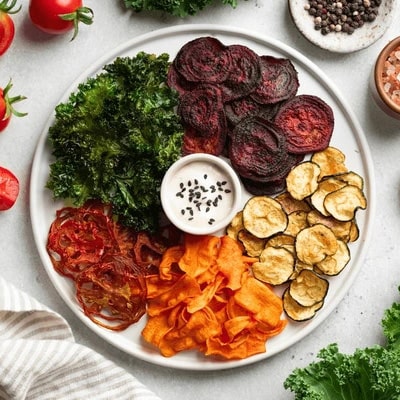
Dried Vegetables
View Products
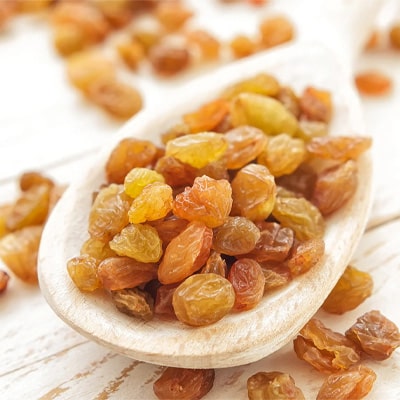
Raisin
View Products
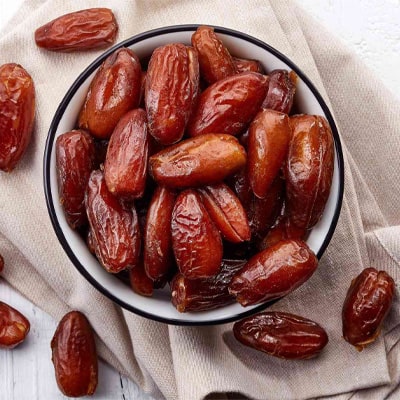
Dates
View Products
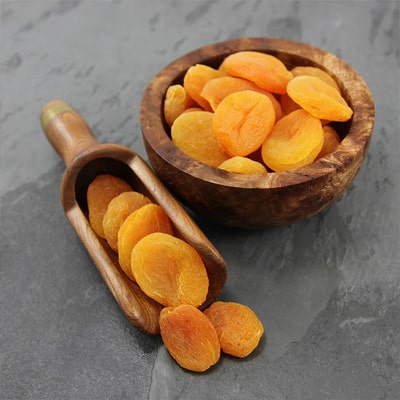
Dried Apricot
View Products
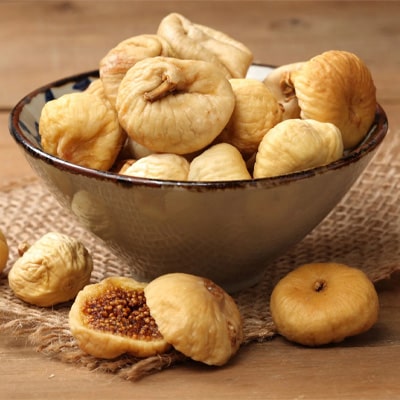
Figs
View Products

Saffron
View Products
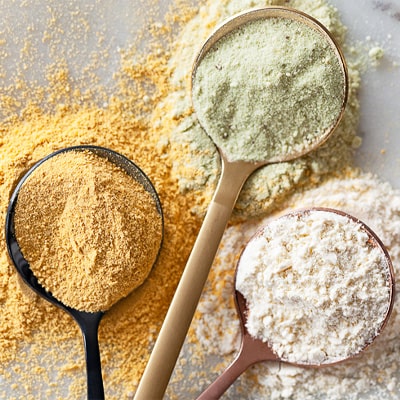
Powders
View Products
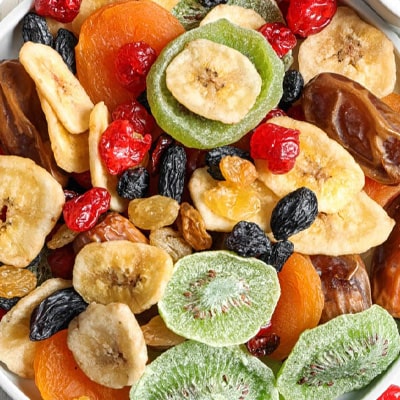
Dried Fruits
View Products
View Products
View Products
View Products
View Products
View Products
View Products
View Products
View Products
View Products
View Products
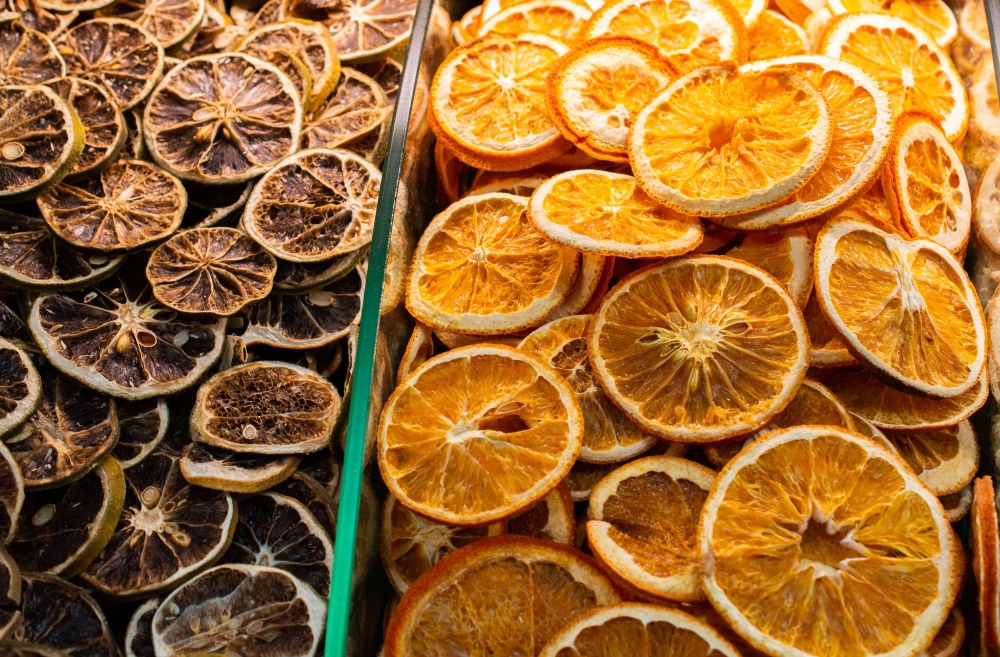
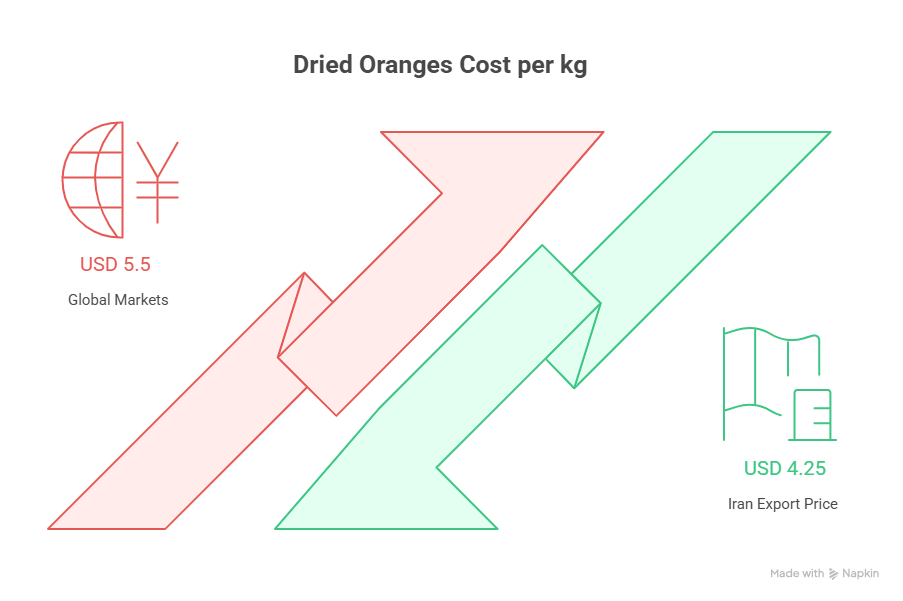
Global markets: USD 4 – 7 per kg
Iran export price: USD 3.5 – 5 per kg
Iran offers a cost advantage of 15–30% for bulk buyers.
The dried-orange market is expanding as more countries use citrus-based ingredients in snacks, teas, and confectionery. But prices vary significantly depending on origin, drying methods, and global trade dynamics.
Understanding current market prices—especially the difference between international rates and Iranian exports—can help traders, importers, and producers plan better and make cost-efficient sourcing decisions.
In 2026, the global dried-orange market continues to grow, driven by rising demand in health-oriented food industries and the wider dried fruits segment. Average wholesale prices range between USD 4 to 7 per kg, depending on grade, packaging, and moisture content.
The European Union and North America remain major consumers, importing mainly from Turkey, Spain, and Iran. Meanwhile, China and India have increased production capacity for domestic processing, stabilizing regional prices—trends that closely align with the broader dynamics covered in the global price of dried fruits market analysis.
Seasonal variations, energy costs, and logistics disruptions still create short-term price fluctuations across markets, which is why buyers often monitor detailed benchmarks such as the global wholesale price of dried orange before making purchasing decisions.
Iran is one of the emerging exporters of dried oranges, benefiting from high-quality citrus farms in Fars, Mazandaran, and Kerman provinces—regions that also support other successful export products like Iranian dried apple. The average export price of Iranian dried oranges is around USD 3.5 to 5 per kg FOB, depending on quality, drying method, and packaging.
Local suppliers benefit from low labor and production costs, making Iranian dried oranges attractive to importers seeking high value at competitive prices. Similar cost advantages can be seen across Iran’s dried fruit portfolio, including products such as Iranian dried peach.
Weather plays a key role. Drought or frost in major producing regions can reduce yield, tightening supply and increasing prices globally—an effect observed across multiple categories discussed in dried peach prices in global markets.
Drying and packaging require significant energy. Rising electricity or gas prices directly affect final product cost, particularly in Europe.
Oranges meeting HACCP or ISO 22000 standards command higher prices, especially in European and Middle Eastern markets.
Fluctuations in exchange rates, especially in developing markets like Iran, influence both export profitability and international competitiveness.
MarketAverage Price (USD/kg)Product GradeEurope (Spain, Italy)5 – 7PremiumTurkey4 – 6Mid-highIran3.5 – 5Export gradeChina4 – 6Industrial use
This comparison shows Iran’s cost advantage for bulk buyers seeking a balance between price and quality.
Analysts expect global dried-orange prices to rise slightly by 3 to 5 percent annually through 2028 as demand for natural, sugar-free snacks and herbal-tea ingredients increases. Iran’s focus on improved drying technology and packaging quality will likely strengthen its position among key exporters in the region
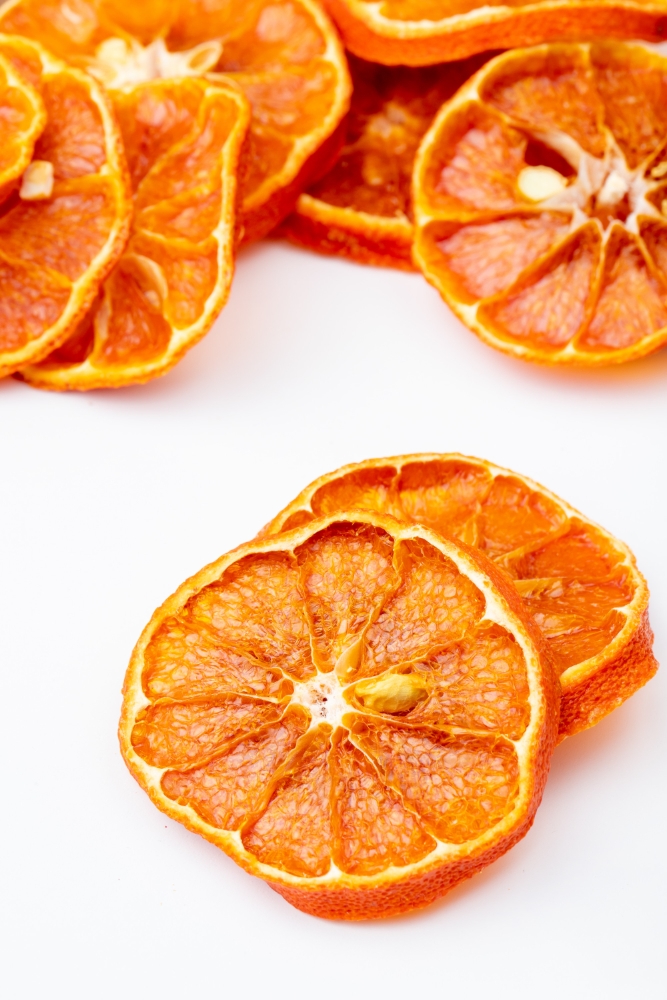
Global wholesale prices range from USD 4 to 7 per kg, depending on origin and quality.
Between USD 3.5 and 5 per kg FOB, based on quality and drying method.
Harvest conditions, energy costs, packaging quality, and international trade policies have the greatest impact.